Lưu ý: Nội dung mang tính giáo dục, không thay thế chẩn đoán hoặc tư vấn trực tiếp từ bác sĩ.
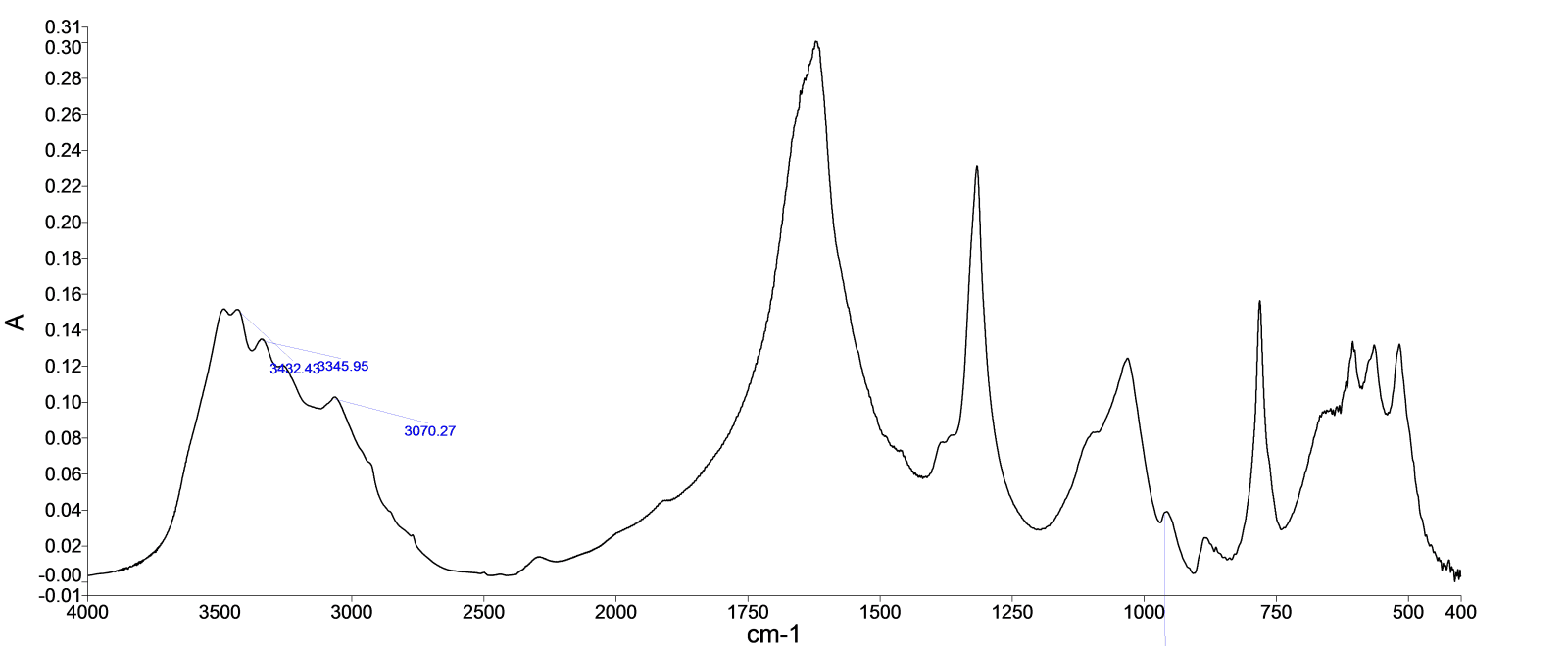
Đây là báo cáo đầu tiên về nghiên cứu thành phần sỏi tiết niệu với các yếu tố liên quan: Tuổi, giới, mùa và đặc điểm lâm sàng tại các bệnh nhân ở Bắc Việt Nam. Tài liệu cung cấp các thông tin quan trọng giúp bác sĩ lâm sàng đưa ra phương án dự phòng tái phát sỏi bằng chế độ ăn, uống, tập luyện. Đồng thời cung cấp chiến lược dự phòng, quản lý sỏi cho các cơ sở y tế liên quan
Lien D Nguyen 1 2, Trung T Nguyen 1, Luc V Mai 1, Phuong V Bui 1, Van Thi Nguyen 3 4, Giang Tb Truong 4 5, Minh Tn Luu 3, Hung T Duong 3, Loi D Vu 3 6, Thao Th Hoang 3Abstract
Objectives: The aim of this study is to analyze the compositions of urinary stones and investigate their distributions in different ages, genders, seasons, and clinical features of Northern Vietnamese patients.
Methods: A total of 231 patients with urinary stones from Northern Vietnam were collected and analyzed composition from 1/2021-12/2022. For all patients, age, sex, stone location, stone side, urine pH, and hospitalized date (month) were collected.
Results: Kidney stones are more frequently found in men than women with the male: female urinary stones ratio in this study being 1.96:1. The highest stone prevalence appeared between 60 and 69 years old. The most common stone composition was calcium oxalate, followed by calcium phosphate, uric acid, struvite, and cysteine. Mix stones of CaOx and CaP were more prevalent than pure stones. Males submitted more CaOx, CaP, and UA stones, whereas females were susceptible to infectious stones. Stones were more frequently found on the left side of the upper urinary tract (51.9%) than on the right side (27.3%) and lower urinary tract (7.8%). Cultural tendency leads to a smaller number of stones during the Lunar new year (February), and Ghost month (August).
Keywords: Urinary stone; infrared spectroscopy; stone composition; stone location; stone side.
Nguồn tham khảo: Bệnh học nam — https://benhhocnam.com/Dich-te-hoc-dau-tien-ve-soi-tiet-nieu-o-mien-Bac-Viet-Nam-Nghien-cuu-thanh-phan-soi-tiet-nieu-tuoi-gioi-mua-va-dac-diem-lam-sang_n101240.html. Nội dung được biên tập và lưu trữ native trên website phòng khám.
Seri: Sỏi tiết niệu
Các bài cùng chuyên mục để đọc liền mạch — gợi ý theo thứ tự mới nhất.
- 1Bí đái, đái khó do nang tuyến tiền liệt
- 2Tán sỏi túi mật để bảo tồn túi mật không cần phẫu thuật
- 3Các bước tán sỏi thận nội soi qua da